3 posts tagged with "Pennsylvania State University"

View All Tags

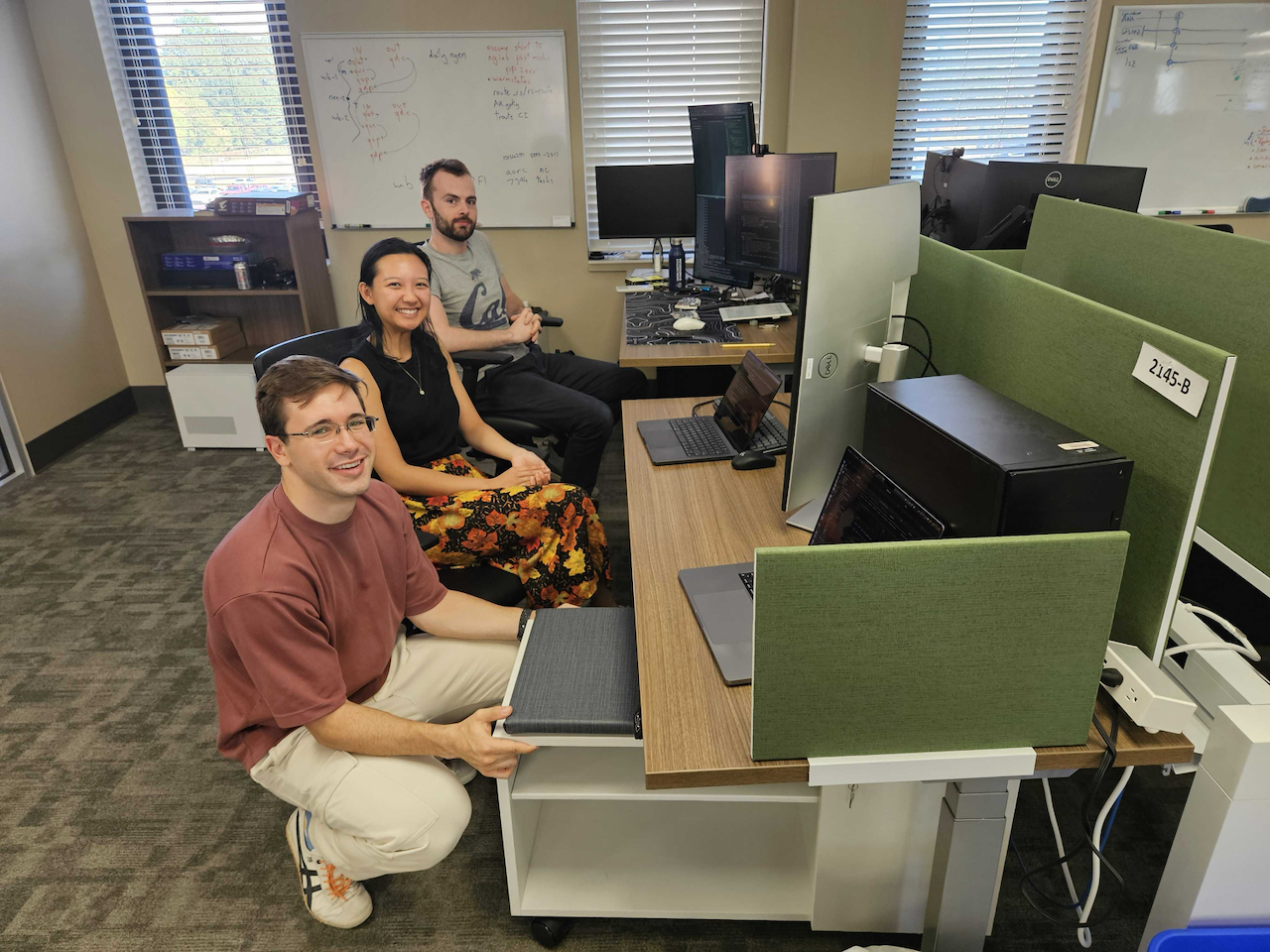
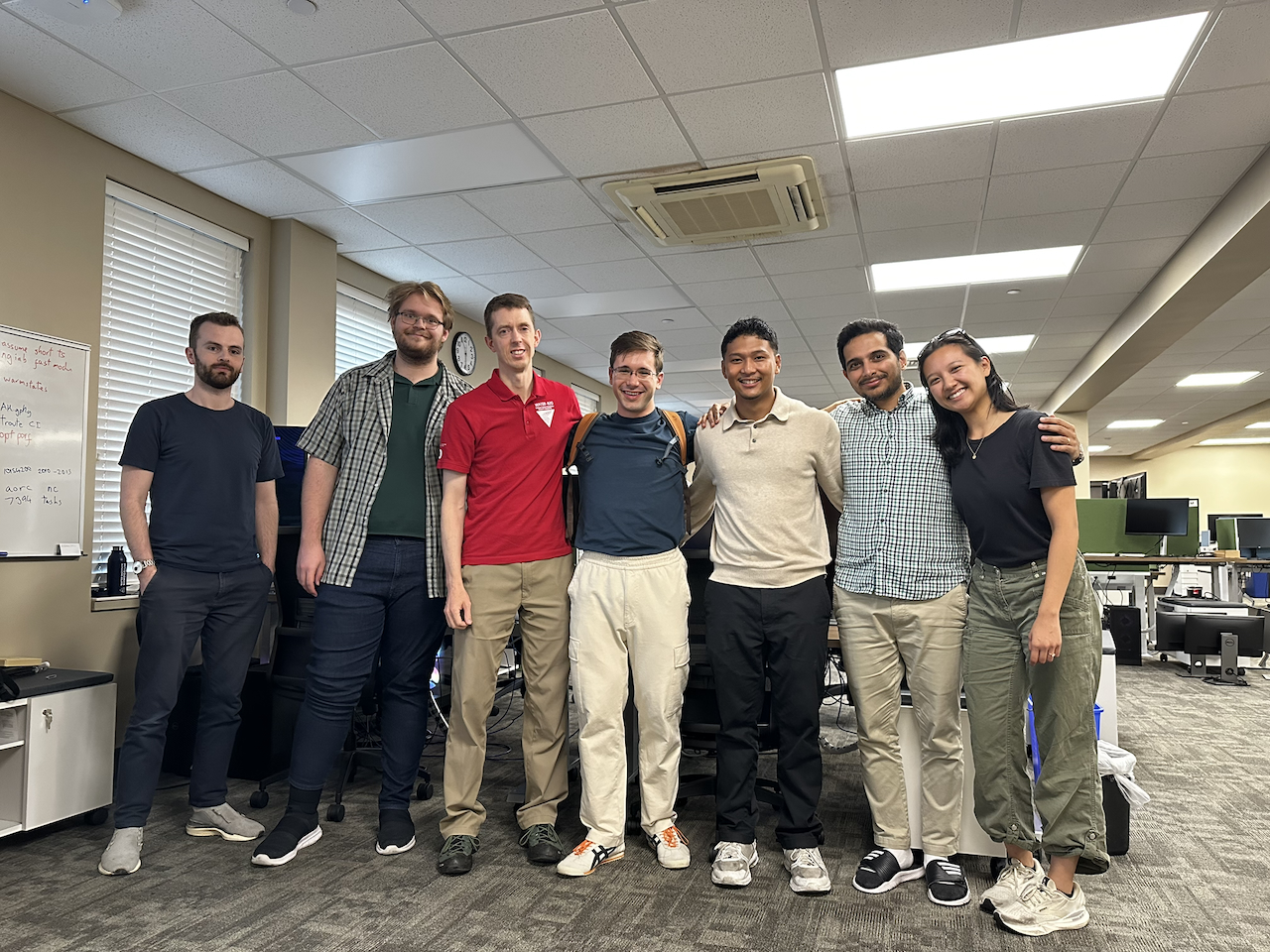
Building Bridges: CIROH–Penn State Collaboration Formalizes Differentiable Modeling for NRDS

· 6 min read

Leo Lonzarich
Graduate Researcher
Quinn Lee
Programmer Analyst
Josh Cunningham
Software Engineer
Arpita Patel
Assistant Director of DevOps and IT
James Halgren
Assistant Director of Science

Almost from the start, 2025 has been a banner year in hydrologic modeling, with advancements in capabilities on both sides of the aisle of CIROH's research-to-operations (R2O) pipeline.

  • From the research skunkworks, Penn State's MHPI group, led by Dr. Chaopeng Shen introduced a new generation of distributed, differentiable hydrologic models spearheaded by δHBV 2.0. Capable of high-resolution, continental-scale streamflow forecasting across the CONUS Hydrofabric, δHBV 2.0 fuses process-based modeling and machine learning to enable efficient parameter calibration and interpretable predictions at scale -- with demonstrated viability as a National Water Model 3.0 successor.
δHBV2.0: How NGIAB and Wukong HPC Streamlined Advanced Hydrologic Modeling

· 2 min read
Yalan Song
Research Assistant Professor
Leo Lonzarich
Graduate Researcher
Arpita Patel
DevOps Manager and Enterprise Architect
James Halgren
Assistant Director of Science

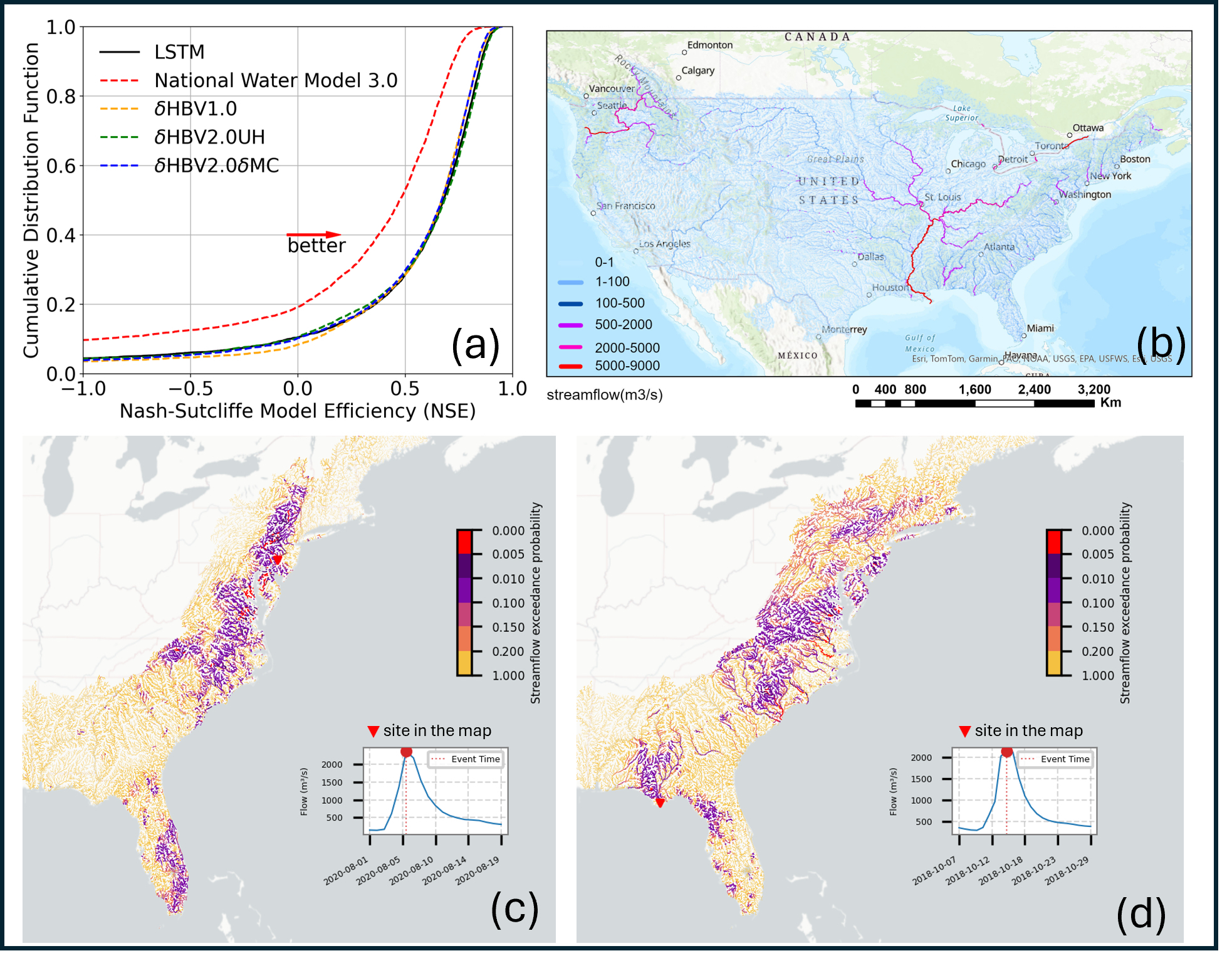
Image of graphical outputs from the δHBV2.0 model

Predicting water flow with precision across the vast U.S. landscape is a complex challenge. That's why Song et al. 2024 developed δHBV2.0, a cutting-edge hydrologic model. It’s built with high-resolution modeling of physics to deliver seamless, highly accurate streamflow simulations, even down to individual sub-basins. It's already proven to be a major improvement, performing better than older tools at about 4,000 measurement sites. We also provide a comprehensive 40-year water dataset for ~180,000 river reaches to support this.

Penn State research group pushed δHBV2.0 further, training it with even more detailed river data and integrating other trusted models, aiming to make it a key part of the NextGen national water modeling system (as a potential NWM3.0 successor). But here’s a common hurdle: making powerful scientific tools like this easy and reliable for everyone to use within a larger framework can be tough. Setup issues, runtime errors, and inconsistent results can frustrate users.

NGIAB stepped in to solve exactly this problem. Team has taken the complexity out of using the operations-ready models within NextGen by creating one unified, reliable package. Thanks to NGIAB, users don't have to worry about tricky setups or whether the model will run correctly. NGIAB ensures that our models are compatible everywhere and, most importantly, that they run exactly as designed, consistently and faithfully, every single time, no babysitting required. This means users get the full power of our advanced modeling, without the headaches.

Pennsylvania State University Researchers Leverage CIROH Cyberinfrastructure for Advanced Hydrological Modeling

· 3 min read
Arpita Patel
DevOps Manager and Enterprise Architect
Yalan Song
Research Assistant Professor
Tadd Bindas
Graduate Researcher

Pennsylvania State University (PSU) researchers have been leveraging CIROH Cyberinfrastructure to tackle complex hydrological modeling challenges. This post highlights their innovative approach using the Wukong computing platform in conjunction with Amazon S3 bucket storage to efficiently process and analyze large-scale environmental datasets. 🚀